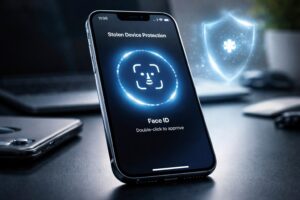
Apple is continuing its push toward stronger smartphone security with the introduction of new protections in its latest software update. The upcoming release brings several improvements focused on safeguarding user data, and the enhanced ios 26.4 stolen device protection feature is emerging as one of the most important changes for iPhone owners concerned about theft and privacy risks.
With smartphones holding banking apps, digital identities, passwords, and sensitive personal information, theft has become more than just losing a device — it can mean losing access to personal and financial security. Apple’s latest upgrade aims to address these concerns by strengthening identity verification processes and reducing the risk of unauthorized access after a device is stolen.
What is ios 26.4 stolen device protection?
The ios 26.4 stolen device protection feature is an upgraded version of Apple’s anti-theft system designed to prevent criminals from accessing sensitive data even if they know the device passcode. Traditionally, many security systems relied heavily on passcodes, but real-world theft scenarios showed that attackers sometimes learned passcodes by observing users in public before stealing their devices.
The updated ios 26.4 stolen device protection introduces additional layers of authentication, ensuring that sensitive actions require biometric verification such as Face ID or Touch ID. This shift reflects Apple’s strategy of moving beyond passcode-only protection toward stronger identity-based security measures.
By adding stricter verification steps, Apple aims to make stolen iPhones significantly harder to exploit.
Why Apple expanded ios 26.4 stolen device protection
Smartphone theft techniques have evolved rapidly, and security researchers have reported cases where thieves targeted individuals by watching them unlock their phones before stealing them. Once attackers knew the passcode, they could quickly change account passwords, disable tracking features, or access saved financial information.
Apple’s response was to improve security layers so that knowledge of a passcode alone is no longer enough to access sensitive functions. The enhanced ios 26.4 stolen device protection ensures that certain critical actions require biometric authentication, which is far more difficult to bypass.
The move reflects a broader trend in the technology industry toward biometric-based identity protection and zero-trust security models. By strengthening device security at the operating system level, Apple hopes to reduce both identity theft and financial fraud associated with stolen devices.
ios 26.4 stolen device protection enabled by default
One of the most important changes introduced in this update is that ios 26.4 stolen device protection is enabled by default on supported devices. Previously, users had to manually activate certain security features, which meant many people never benefited from them simply because they were unaware of the option.
Default activation ensures that even less tech-savvy users receive the full benefit of Apple’s enhanced security measures. This change aligns with Apple’s long-standing philosophy of prioritizing privacy and security without requiring complicated user setup.
For everyday users, this means that as soon as they install the update, ios 26.4 stolen device protection will begin working automatically, offering additional safeguards against theft-related threats.
How ios 26.4 stolen device protection works in practice
The upgraded system introduces several important mechanisms designed to limit unauthorized access. When ios 26.4 stolen device protection is active, high-risk actions require biometric authentication rather than just a passcode. These actions include accessing stored passwords, viewing sensitive account data, or making major changes to device settings.
This approach prevents attackers from quickly taking control of a stolen device. Even if they manage to unlock the phone using a passcode, they cannot easily access financial apps, saved credentials, or account settings without biometric verification.
Another important component of ios 26.4 stolen device protection is location awareness. When the device is outside familiar or trusted locations — such as the user’s home or workplace — stricter security measures automatically activate. This reduces the risk of attackers changing security settings while the device is away from its usual environment.
Security delay feature adds extra protection
A standout element of ios 26.4 stolen device protection is the introduction of a security delay for highly sensitive actions. When someone attempts to make major account changes in an unfamiliar location, the system requires biometric authentication followed by a mandatory waiting period before the action can be completed.
This delay gives legitimate owners time to respond if their device has been stolen. For example, if a thief attempts to change the Apple ID password or disable tracking features, the delay allows the owner to remotely lock or erase the device using another Apple device or online account access.
The inclusion of this waiting period shows Apple’s focus on real-world scenarios, where speed often works in favor of attackers. By slowing down critical changes, ios 26.4 stolen device protection creates a safety window for users to regain control.
Impact on everyday iPhone users
For most users, the changes introduced with ios 26.4 stolen device protection will operate quietly in the background. The system is designed to minimize inconvenience while providing stronger safeguards against theft.
In normal daily usage, users may not notice significant differences. However, when attempting sensitive actions, they may see additional prompts for Face ID or Touch ID verification. These extra steps add security without significantly affecting usability.
Experts suggest that these changes could significantly reduce cases where stolen devices are used to access financial information or personal accounts. By combining biometric authentication with intelligent security delays, Apple is attempting to make device theft less profitable for criminals.
Privacy and security as Apple’s long-term strategy
Apple has increasingly positioned itself as a leader in privacy-focused technology, and the expanded ios 26.4 stolen device protection fits into this broader strategy. Over the past several years, the company has introduced features such as app tracking transparency, advanced encryption, and stronger on-device processing to protect user data.
Security analysts believe that Apple’s emphasis on anti-theft protections reflects growing consumer awareness of digital privacy risks. As smartphones replace traditional wallets and ID cards, losing a device can expose users to identity theft, financial loss, and privacy violations.
By strengthening operating system-level protections, Apple aims to make security accessible to everyone without requiring advanced technical knowledge.
Additional improvements expected in the update
While security enhancements are a major highlight, the upcoming release also includes several additional improvements across the system. These may include refinements to media features, updates to messaging capabilities, and improvements to performance and stability.
Apple often uses mid-cycle software updates to introduce incremental improvements alongside larger security changes. The inclusion of ios 26.4 stolen device protection suggests that the company is placing increased emphasis on real-world security challenges rather than purely cosmetic updates.
When users can expect the full release
Currently, the update is being tested through developer builds, allowing Apple to identify bugs and optimize performance before a wider rollout. Public beta versions are expected to follow, giving more users early access to new features.
Once testing is complete, the full version will likely be released globally, making ios 26.4 stolen device protection available to millions of iPhone users. Apple typically encourages users to update as soon as possible when security improvements are included, as these updates help protect against emerging threats.
Final thoughts
The enhanced ios 26.4 stolen device protection represents a significant step forward in smartphone security. By combining biometric authentication, intelligent security delays, and default activation, Apple is addressing modern theft tactics that rely on passcode vulnerabilities.
As smartphones continue to store more personal and financial information, security features like ios 26.4 stolen device protection may become essential rather than optional. For users, the upcoming update promises greater peace of mind and stronger protection against one of the most common risks facing modern mobile devices.

Rakesh is a digital publisher and SEO-focused tech writer covering technology trends, blogging strategies, affiliate marketing, and trending news. With expertise in search optimization and online growth, he delivers research-driven insights, practical guides, and timely news updates. His content focuses on helping readers understand digital trends, emerging technologies, and effective online publishing strategies in a rapidly evolving tech landscape.
Leave a Reply